



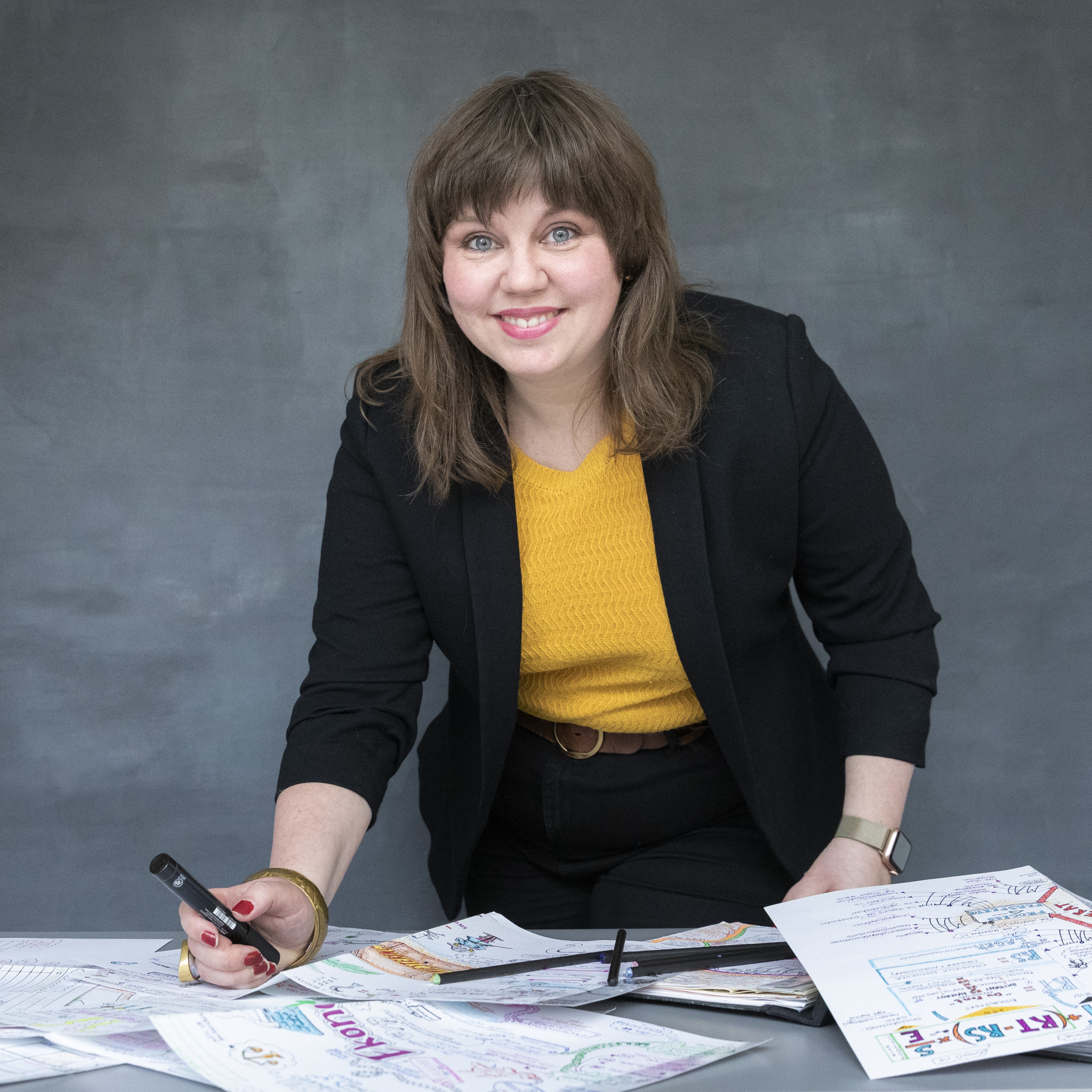
When growing up as a gamer in the 1980s, Pernilla Alexandersson felt lonely. “Why am I the only girl who likes games?” she asked herself. This question would become the riddle that fueled Pernilla’s road ahead, and later on, lead to the foundation of Add Gender.
Add Gender and the founder Pernilla Alexandersson are experts in inclusion and diversity. As norm engineers, they provide advice and lectures in various industries, but Pernilla has a special interest and expertise in the gaming world.
Since 2008 they’ve been working closely with customers, and are now 134 certified norm engineers, making equality and inclusion useful, understandable, and fun.
The first encounter with a female character
Pernilla’s interest in games grew together with (and maybe thanks to) her uncle. When she was a child he lived in a cabin behind her family’s house, and walking into her uncle’s home was like walking into a fairytale, Pernilla says.
— He was a huge nerd and there were consoles, controllers, books, catalogs, and notebooks everywhere. We would sit there and play games together, or well… mostly he would play and I would watch and learn, Pernilla says.
One of her most vivid memories from spending time with her uncle is from playing Metroid. After quite a while of game time, Pernilla’s uncle told her that the main character was a woman and that they had been playing as a female the entire game without actual knowledge about it.
— I was very young then but I remember it struck me hard, I felt it in my body somehow. I remember thinking “Why does this affect me so much? It’s just a little character on a screen”. But in fact, it challenged gender roles and had an impact on my identity.
Metroid, first released in 1986, played a part in revolutionizing the gaming world by bringing a strong female character into the story. Samus Aran is considered to be among some of the best early female protagonists.
This was probably the first encounter Pernilla had with a gender-related question, but in the upcoming years, there would be plenty more. As she grew older and her interest in games grew stronger, she would often find herself feeling lonely as a girl in the gaming world.

Games were made for boys by boys
— Games were more or less a boys-only hobby, especially in the 80s. I couldn’t wrap my head around why and I found it so strange that none of the other girls were stoked like me about (for example) the new game console, Pernilla says.
At the same time, the games weren’t particularly inviting and welcoming for a female gamer like Pernilla. There were, for example, no characters that she could really identify with.
— The reason why I was losing was because I am a girl, voices in my head said. Stereotypes grabbed a hold of my confidence and at one point I even lost on purpose not to make a boy upset.
The questions surrounding why the gaming world looked like this and why it kept excluding girls like Pernilla kept her close company throughout her younger years.
With an aim for a career in games and technology, Pernilla chose the arts program when entering high school. She thought that maybe she wouldn’t be as lonely in her new context, but quickly learned that things would feel much the same.
— I kept ending up without my classmates in the school’s computer room, and I was always the only girl. “How nice that there is a girl here!” they said, and so my interest in solving the gender riddle triumphed over my will to have a career in tech.
Gender science and game studies
After finishing high school, Pernilla decided to dive into Gender studies and focus her work and studies on games. She was an early bird on the field and very few were researching, or even thinking about, gender studies in the games sphere yet.
— Along the way I started getting requests to give lectures about my essays on femininity and gaming, and women in the gaming culture. Eventually, it led to me founding my company Add Gender, Pernilla says.
Since then, she has been able to do a range of different things, in addition to advice, lectures, and analysis.
— I’ve had the chance to be on the jury at events, provide my view on diploma theses, and help so many different companies and games by questioning and supporting the inclusion and diversity perspective. It’s been an amazing experience.
Is the games industry doing enough?
Pernilla is active in other industries too and her experience in various fields allows her to compare the games industry to others.
— Honestly, it’s almost embarrassing to compare the games industry with other industries. The potential is endless with such an inclusive culture and general open mindset, but still, there are so few transgender people and women in high positions at gaming companies. The gaming industry is very slow compared to other industries that are currently taking giant leaps.
The massive potential is an important key to moving faster in the right direction, Pernilla believes. It’s about harvesting and managing the will to change while having clear goals and ambitions.
— I believe the biggest threat to the industry is getting stuck in thinking that we’re so modern and non-stereotypical. Boasting “Wow, we’re good at this and everything will be fine” instead of comparing ourselves to other industries, asking “Are we really doing enough?”.
What you can do
If you’re an employee at a games studio or part of a team working on a project, with the will to change your workplace for the better when it comes to inclusiveness and equality, there are a couple of fairly simple things you can start by doing, Pernilla says.
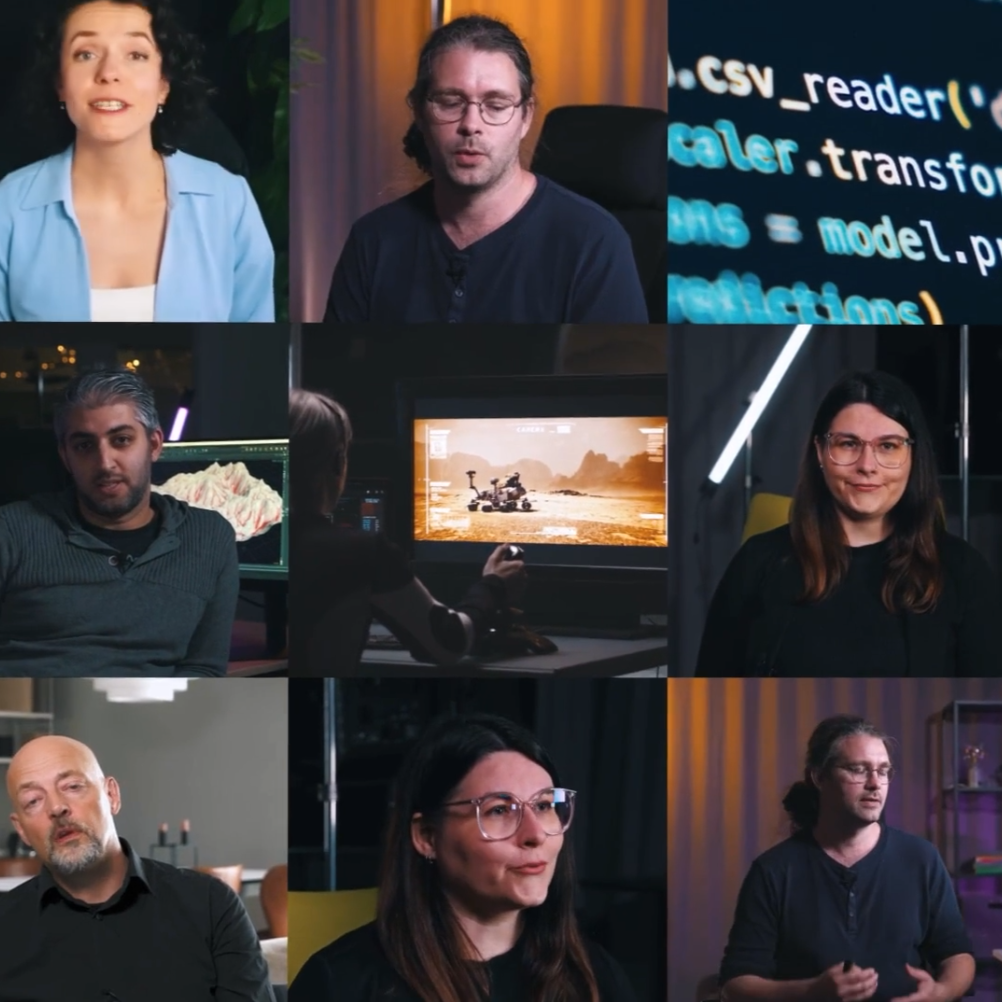
— Start by bringing it up in your team, discuss, feedback, and learn. Sometimes I get assigned to lecture for teams on the subject, but there is also a lot of great material available online to study and discuss. For example, the video series we’ve done together with GamedevStation.
In the best of worlds, the management team is with you from the start of this work, Pernilla says.
— Having management onboard makes it easier to organize, link it to the business strategy, reach new target groups, increase the well-being at work, etc. It’s amazing to see the companies I’ve worked with so far, there is so much potential in working with inclusion and diversity, and often small things make a big difference.

GamedevStation <3 Add Gender
Pernilla is happy about the collaboration with GamedevStation and the video series on Diversity and Inclusion in the Swedish games industry that has been made for The Game Assembly Students.
— There still aren’t many educational platforms that shed light on this subject from a Swedish perspective, but this video series does. Therefore I think it’s a good idea to watch it. Hopefully it will increase the understanding of stereotypes and the importance of working with equality and inclusion issues.
The collab between GamedevStation, Pernilla Alexandersson and Add Gender has only just begun, stay tuned!

